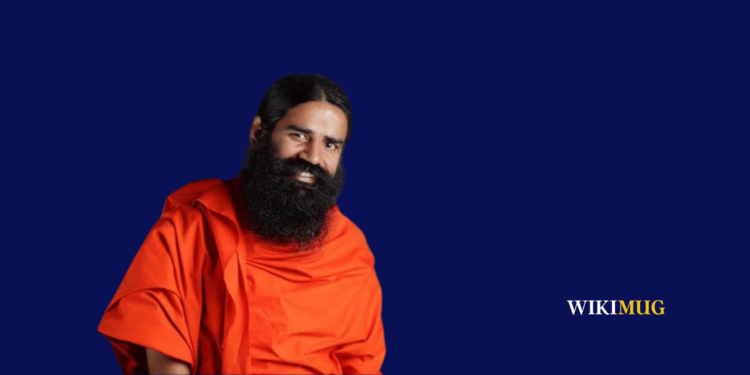
Baba Ramdev built his public identity around yoga, but his influence eventually moved far beyond yoga classes. Through television programmes, large public camps and the Patanjali group, he helped take yoga and Ayurveda into mainstream culture and consumer markets in India.
His rise is also closely linked with Acharya Balkrishna. Together, they developed institutions around yoga, Ayurveda and consumer products. Over time, Ramdev became one of the most recognisable faces associated with the Patanjali ecosystem.
His growing influence also brought greater scrutiny. Patanjali and Ramdev faced regulatory and legal action, particularly over advertising claims made about certain products. His story is therefore not only about the popularity of yoga. It is also about how personal influence can develop into a much larger institutional and commercial ecosystem.
Quick Overview
| Field | Details |
| Name | Ram Kisan Yadav |
| Known As | Baba Ramdev / Swami Ramdev |
| Age | Around 60 years (2026) |
| Profession | Yoga teacher and public figure |
| Known For | Popularising yoga and pranayama through mass media |
| Key Collaborator | Acharya Balkrishna |
| Early Institution | Divya Yog Mandir Trust |
| Major Organisation | Patanjali Group |
| Major Base | Haridwar, Uttarakhand |
| Current Corporate Association | Non-Executive Director, Patanjali Foods |
Before Patanjali, Ramdev Built an Audience Around Yoga
Ramdev was born as Ram Kisan Yadav in Said Alipur in Haryana’s Mahendragarh district. He studied Sanskrit and yoga through the gurukul system. He later became associated with teaching yoga and promoting Ayurveda.
Historical profiles also record his establishment of the Divya Yog Mandir Trust in 1995.
Ramdev has said that he suffered paralysis as a child and credits yoga with helping him recover. His early public work focused on teaching yoga, pranayama and traditional Indian practices.
This foundation became important later. Yoga camps and public demonstrations helped him build an audience before television gave him a much larger platform.
Television Changed the Scale of His Reach
The early 2000s marked an important shift in Ramdev’s public profile. His yoga programmes began receiving television exposure, particularly through Aastha TV.
Indian Express reported that the channel initially gave him limited airtime. His slots expanded as viewer demand increased.
Television changed the scale of his reach. Instead of teaching people in individual camps, Ramdev could demonstrate yoga and pranayama to viewers across India from a studio.
His name soon became closely associated with televised yoga. The practice was no longer limited to dedicated followers. It became part of the morning routine for a much wider television audience.
The Patanjali Model Turned Trust Into an Institution
The next major phase came with the development of the Patanjali ecosystem. Patanjali Ayurved was established in 2006, while Patanjali Yogpeeth developed into a major institutional centre for yoga and Ayurveda.
Ramdev and Acharya Balkrishna were central figures in building this wider network.
The distinction between different Patanjali entities is important. Patanjali Ayurved was established in 2006. Patanjali Foods, meanwhile, has a corporate history dating back to 1986 and later became part of the broader Patanjali business ecosystem.
Ramdev has largely been associated with the public face and promotion of the wider movement. Balkrishna has held major corporate and operational responsibilities.
Patanjali Foods currently lists Ramdev as a Non-Executive Director. Acharya Balkrishna serves as its Chairman and Non-Executive Director.
From Yoga Teacher to a Consumer Brand Figure
The organisation eventually expanded beyond yoga and Ayurveda. Its businesses moved into categories such as food, personal care, health products and other consumer goods.
This gave Ramdev a role that was different from that of a traditional yoga teacher.
The business model also built on the trust created through his public image. Instead of introducing an unrelated consumer brand, the products were connected with a broader message around Ayurveda, Indian manufacturing and traditional practices.
Patanjali Foods illustrates the scale reached by the wider business ecosystem. The company reported revenue of ₹31,962 crore for FY2023-24.
That figure represents company revenue, not Ramdev’s personal wealth. It should not be confused with an individual net-worth estimate.
Today, Patanjali Foods operates across food and FMCG categories. The company says its products reach more than 30 countries through over 2.5 million retail touchpoints.
From Yoga to Public Advocacy
Ramdev’s public influence also moved into social and political discussions.
In the early 2010s, he spoke publicly about issues including corruption, black money and governance. He also announced plans related to political participation.
His political activity became particularly visible around the 2014 election period. Ramdev did not become an elected politician. His public role remained more focused on advocacy and campaigning.
This phase showed how the audience built through yoga could extend into subjects far outside wellness. It also made him a more politically visible public figure and attracted both support and criticism.
Controversy Became Part of the Patanjali Story
The expansion of the business also brought regulatory scrutiny.
In 2024, the Supreme Court dealt with proceedings concerning misleading advertisements by Patanjali Ayurved and statements about the effectiveness of certain products. The proceedings also involved Ramdev, and the court record notes an unconditional and unqualified apology.
The episode highlighted an important challenge for businesses operating across traditional medicine, wellness and consumer products. Public trust does not remove the need for evidence and regulatory compliance.
Uttarakhand authorities also took action. In April 2024, manufacturing licences for 14 products were suspended over repeated misleading advertisements.
The episode became a significant part of Patanjali’s recent corporate and public story. It also showed how greater public influence can bring greater regulatory scrutiny.
Where Baba Ramdev Stands Today
Ramdev’s position today is best understood through the broader Patanjali ecosystem rather than yoga alone.
He remains closely associated with yoga, Ayurveda and Patanjali. His formal corporate role also includes serving as a Non-Executive Director of Patanjali Foods.
The wider organisation has expanded into food, FMCG, agriculture, healthcare-related products and other areas. Patanjali Foods alone describes a business with international distribution, millions of retail touchpoints and hundreds of product SKUs.
Ramdev’s journey reflects a shift from individual instruction to mass communication and eventually to institution building.
Yoga created the initial audience. Television expanded that reach. Patanjali then converted public visibility into a much broader organisational and consumer presence.
That progression is what makes Ramdev’s career more than a story about yoga. It is also a case study in how personal credibility can become the foundation for a large public and commercial ecosystem.
FAQs
Who is Baba Ramdev?
Baba Ramdev, also known as Swami Ramdev, is an Indian yoga teacher and public figure. He is best known for popularising yoga and pranayama through television, public camps and the Patanjali ecosystem.
What is Baba Ramdev’s real name?
His name is commonly recorded as Ram Kisan Yadav. Some historical sources use variations such as Ramkishan or Ramkrishna Yadav.
How old is Baba Ramdev?
Baba Ramdev is around 60 years old in 2026. Exact birth details vary across published sources.
When was Patanjali Ayurved established?
Patanjali Ayurved was established in 2006. It should not be confused with Patanjali Foods, which has a corporate history dating back to 1986.
Who is Acharya Balkrishna?
Acharya Balkrishna is a key figure in the Patanjali organisation. He currently serves as Chairman and Non-Executive Director of Patanjali Foods.
Is Baba Ramdev a politician?
Ramdev has been politically active and has publicly campaigned on political and social issues. However, he is not an elected politician.

Nikita Verma is a content writer, SEO specialist, and editor at WikiMug. She covers business, startups, entrepreneurs, success stories, biographies, and case studies. Her work focuses on in-depth research, fact-checking, and creating informative, engaging, and reader-friendly articles that make complex topics easy to understand.